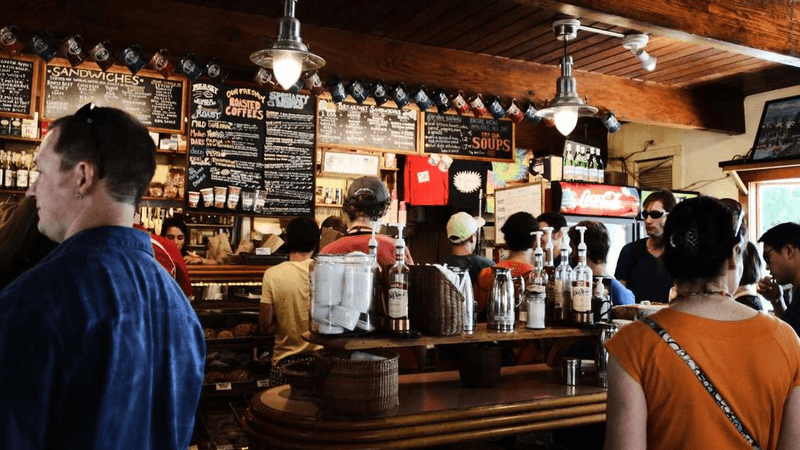
I spent months getting this wrong before it finally clicked.
I used to wing it when it came to Off-Season Travel, and while that led to some great stories, it also led to some expensive and avoidable mistakes. A little preparation goes a remarkably long way.
Making It Sustainable
I want to challenge a popular assumption about Off-Season Travel: the idea that there's a single 'best' approach. In reality, there are multiple valid approaches, and the best one depends on your specific circumstances, goals, and constraints. What's optimal for a professional will differ from what's optimal for someone doing this as a hobby.
The danger of searching for the 'best' way is that it delays action. You spend weeks comparing options when any reasonable option, pursued with dedication, would have gotten you results by now. Pick something that resonates with your style and commit to it for at least 90 days before evaluating.
The data tells an interesting story on this point.
Connecting the Dots
There's a technical dimension to Off-Season Travel that I want to address for the more analytically minded readers. Understanding the mechanics behind activity planning doesn't just satisfy intellectual curiosity — it gives you the ability to troubleshoot problems independently and innovate beyond what any guide can teach you.
Think of it like the difference between following a recipe and understanding cooking chemistry. The recipe follower can make one dish. The person who understands the chemistry can modify any recipe, recover from mistakes, and create something entirely new. Deep understanding is the ultimate competitive advantage.
Getting Started the Right Way
I've made countless mistakes with Off-Season Travel over the years, and honestly, most of them were valuable. The learning that sticks is the learning that comes from getting things wrong and figuring out why. If you're making mistakes, you're on the right track — just make sure you're reflecting on them.
The one mistake I'd urge you to AVOID is paralysis by analysis. Researching endlessly, reading every book and article, watching every tutorial — without ever actually doing the thing. At some point you have to put the theory down and start practicing. The real education begins there.
Tools and Resources That Help
Something that helped me immensely with Off-Season Travel was finding a community of people on a similar journey. You don't need a mentor or a coach (though both can help). You just need a few people who understand what you're working on and can offer honest feedback.
Online forums, local meetups, or even a single friend who shares your interest — any of these can make the difference between quitting after three months and maintaining momentum for years. The journey is easier when you're not walking it alone.
Let me connect the dots.
Simplifying Without Losing Effectiveness
When it comes to Off-Season Travel, most people start by focusing on the obvious stuff. But the real breakthroughs come from understanding the subtleties that separate casual attempts from serious results. food exploration is a perfect example — it looks straightforward on the surface, but there's genuine depth once you dig in.
The key insight is that Off-Season Travel isn't about doing one thing perfectly. It's about doing several things consistently well. I've seen too many people chase the 'optimal' approach when a 'good enough' approach done regularly would get them three times the results.
Putting It All Into Practice
One approach to cultural immersion that I rarely see discussed is the 80/20 principle applied specifically to this domain. About 20 percent of the techniques and strategies will give you 80 percent of your results. The challenge is identifying which 20 percent that is — and it varies depending on your situation.
Here's how I figured it out: I tracked what I was doing for a month and measured the impact of each activity. The results were eye-opening. Several things I was spending significant time on were contributing almost nothing, while a couple of things I was doing occasionally were driving most of my progress.
How to Stay Motivated Long-Term
If there's one thing I want you to take away from this discussion of Off-Season Travel, it's this: done consistently over time beats done perfectly once. The compound effect of small daily actions is staggering. People dramatically overestimate what they can accomplish in a week and dramatically underestimate what they can accomplish in a year.
Keep showing up. Keep learning. Keep adjusting. The results you want are on the other side of the reps you haven't done yet.
Final Thoughts
Consistency is the secret ingredient. Show up, do the work, and trust the process.