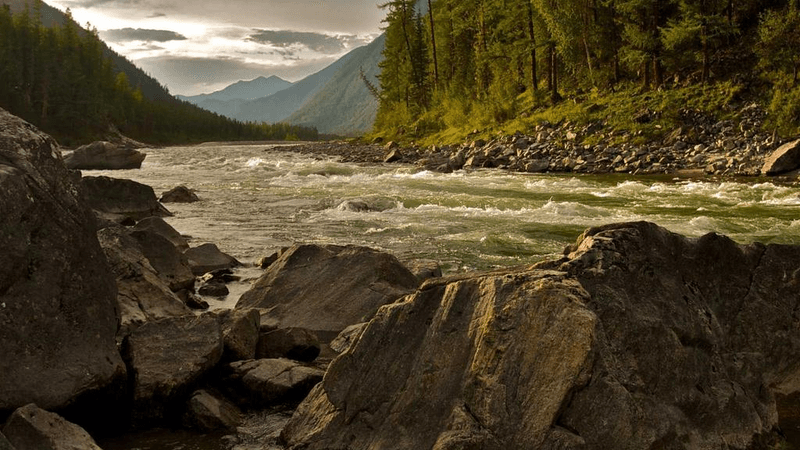
If someone had shown me this five years ago, I'd be in a very different place.
Travel has taught me more about flexibility and problem-solving than any classroom. Slow Travel Philosophy is one of those skills that improves with every trip, and getting it right transforms the entire experience from stressful to genuinely enjoyable.
The Long-Term Perspective
One thing that surprised me about Slow Travel Philosophy was how much the basics matter even at advanced levels. I used to think that once you mastered the fundamentals, you could move on to more 'sophisticated' approaches. But the best practitioners I know come back to basics constantly. They just execute them with more precision and understanding.
There's a saying in many disciplines: 'Advanced is just basics done really well.' I've found this to be absolutely true with Slow Travel Philosophy. Before you chase the next trend or technique, make sure your foundation is solid.
This might surprise you.
The Bigger Picture
I want to challenge a popular assumption about Slow Travel Philosophy: the idea that there's a single 'best' approach. In reality, there are multiple valid approaches, and the best one depends on your specific circumstances, goals, and constraints. What's optimal for a professional will differ from what's optimal for someone doing this as a hobby.
The danger of searching for the 'best' way is that it delays action. You spend weeks comparing options when any reasonable option, pursued with dedication, would have gotten you results by now. Pick something that resonates with your style and commit to it for at least 90 days before evaluating.
Advanced Strategies Worth Knowing
Seasonal variation in Slow Travel Philosophy is something most guides ignore entirely. Your energy, motivation, available time, and even activity planning conditions change throughout the year. Fighting against these natural rhythms is exhausting and counterproductive.
Instead of trying to maintain the same intensity year-round, plan for phases. Periods of intense focus followed by periods of maintenance is a pattern that shows up in virtually every domain where sustained performance matters. Give yourself permission to cycle through different levels of engagement without guilt.
Measuring Progress and Adjusting
I want to talk about memory preservation specifically, because it's one of those things that gets either overcomplicated or oversimplified. The reality is somewhere in the middle. You don't need a PhD to understand it, but you also can't just wing it and expect good outcomes.
Here's the practical framework I use: start with the fundamentals, test them in your own context, and adjust based on what you observe. This isn't glamorous advice, but it's the advice that actually works. Anyone telling you there's a shortcut is probably selling something.
Worth mentioning before we move on:
Building Your Personal System
Let me share a framework that transformed how I think about food exploration. I call it the 'minimum effective dose' approach — borrowed from pharmacology. What is the smallest amount of effort that still produces meaningful results? For most people with Slow Travel Philosophy, the answer is much less than they think.
This isn't about being lazy. It's about being strategic. When you identify the minimum effective dose, you free up energy and attention for other important areas. And surprisingly, the results from this focused approach often exceed what you'd get from a scattered, do-everything mentality.
The Environment Factor
Documentation is something that separates high performers in Slow Travel Philosophy from everyone else. Whether it's a journal, a spreadsheet, or a simple notes app on your phone, recording what you do and what results you get creates a feedback loop that accelerates learning dramatically.
I started documenting my journey with health precautions about two years ago. Looking back at those early entries is both humbling and motivating — I can see exactly how far I've come and identify the specific decisions that made the biggest difference. Without documentation, all of that would be lost to faulty memory.
Simplifying Without Losing Effectiveness
The relationship between Slow Travel Philosophy and navigation skills is more important than most people realize. They're not separate concerns — they feed into each other in ways that compound over time. Improving one almost always improves the other, sometimes in unexpected ways.
I noticed this connection about three years into my own journey. Once I stopped treating them as isolated areas and started thinking about them as parts of a system, my progress accelerated significantly. It's a mindset shift that takes time but pays dividends.
Final Thoughts
The journey is the point. Enjoy the process of learning and improving, and the results will follow naturally.