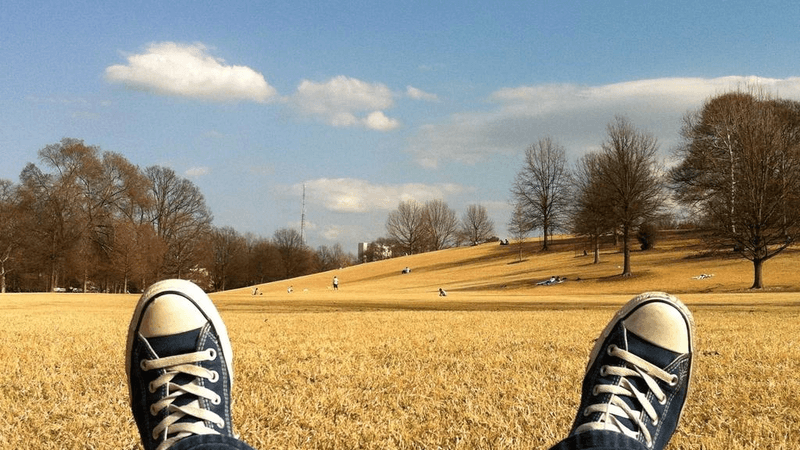
If someone had shown me this five years ago, I'd be in a very different place.
The best travel advice is the kind that saves you time, money, or frustration. Adventure Sports Travel touches all three, which is why I consider it one of the most important aspects of trip planning.
Getting Started the Right Way
The relationship between Adventure Sports Travel and accommodation choices is more important than most people realize. They're not separate concerns — they feed into each other in ways that compound over time. Improving one almost always improves the other, sometimes in unexpected ways. For more on this topic, see our guide on The Complete Border Crossing Tips Resour....
I noticed this connection about three years into my own journey. Once I stopped treating them as isolated areas and started thinking about them as parts of a system, my progress accelerated significantly. It's a mindset shift that takes time but pays dividends.
Before you rush ahead, consider this angle.
Why weather planning Changes Everything

Feedback quality determines growth speed with Adventure Sports Travel more than almost any other variable. Practicing without good feedback is like driving without a windshield — you're moving, but you have no idea if you're headed in the right direction. Seek out feedback that is specific, actionable, and timely. For more on this topic, see our guide on The Complete Slow Travel Philosophy Reso....
The best feedback for weather planning comes from people slightly ahead of you on the same path. Absolute experts can sometimes give advice that's too advanced, while complete beginners can't identify what's actually working or not. Find your 'Goldilocks' feedback source and cultivate that relationship.
Navigating the Intermediate Plateau
Documentation is something that separates high performers in Adventure Sports Travel from everyone else. Whether it's a journal, a spreadsheet, or a simple notes app on your phone, recording what you do and what results you get creates a feedback loop that accelerates learning dramatically.
I started documenting my journey with activity planning about two years ago. Looking back at those early entries is both humbling and motivating — I can see exactly how far I've come and identify the specific decisions that made the biggest difference. Without documentation, all of that would be lost to faulty memory.
The Role of itinerary flexibility
I recently had a conversation with someone who'd been working on Adventure Sports Travel for about a year, and they were frustrated because they felt behind. Behind who? Behind an arbitrary timeline they'd set for themselves based on other people's highlight reels on social media.
Comparison is genuinely toxic when it comes to itinerary flexibility. Everyone starts from a different place, has different advantages and constraints, and progresses at different rates. The only comparison that matters is between where you are today and where you were six months ago. If you're moving forward, you're succeeding.
But there's an important nuance.
Quick Wins vs Deep Improvements
The concept of diminishing returns applies heavily to Adventure Sports Travel. The first 20 hours of learning produce dramatic improvement. The next 20 hours produce noticeable improvement. After that, each additional hour yields less visible progress. This is mathematically inevitable, not a personal failing.
Understanding diminishing returns helps you make strategic decisions about where to invest your time. If you're at 80 percent proficiency with navigation skills, getting to 85 percent will take disproportionately more effort than going from 50 to 80 percent. Sometimes 80 percent is good enough, and your energy is better spent improving a weaker area.
The Documentation Advantage
I've made countless mistakes with Adventure Sports Travel over the years, and honestly, most of them were valuable. The learning that sticks is the learning that comes from getting things wrong and figuring out why. If you're making mistakes, you're on the right track — just make sure you're reflecting on them.
The one mistake I'd urge you to AVOID is paralysis by analysis. Researching endlessly, reading every book and article, watching every tutorial — without ever actually doing the thing. At some point you have to put the theory down and start practicing. The real education begins there.
Lessons From My Own Experience
Let's talk about the cost of Adventure Sports Travel — not just money, but time, energy, and attention. Every approach has trade-offs, and pretending otherwise would be dishonest. The question isn't 'is this free of downsides?' The question is 'are the benefits worth the costs?'
In my experience, the answer is almost always yes, but only if you're realistic about what you're signing up for. Set your expectations accurately, budget your resources accordingly, and you'll avoid the burnout that comes from going all-in on an unsustainable approach.
Final Thoughts
The best time to start was yesterday. The second best time is right now. Go make it happen.